
01
Define the purpose
Mission, collection, audiences, venue, scope, budget, schedule, and responsibilities.
Professional guide
Museum exhibition design is the practice that turns research, a collection, and curatorial intent into a legible and realizable spatial experience. It defines how objects relate to space, visitor circulation, light, graphics, mounts, conservation, and media. In Mexico, this work is carried out by museographers, in-house museum teams, and specialized practices; a complete museum, however, is never the product of a single discipline.
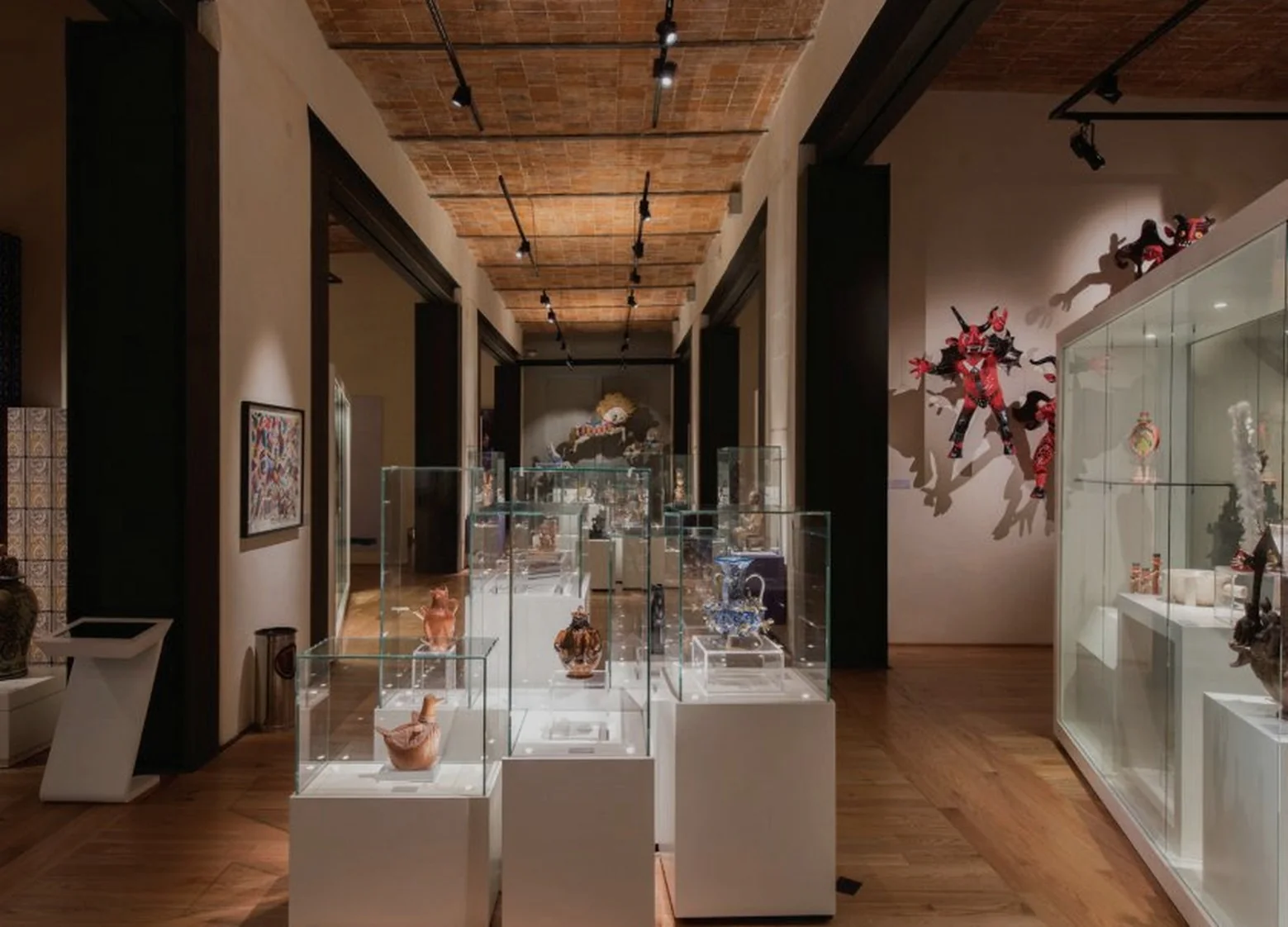
Museum exhibition design organizes the physical and spatial presentation of an exhibition or museum. It works with visitor circulation, scale, visual hierarchy, lighting, graphics, display cases, mounts, accessibility, conservation, and media so that objects and content can be understood in relation to space.
It is not equivalent to decorating a gallery. A museum-exhibition decision must respond to the collection, the exhibition’s argument, conservation conditions, the building, and the way visitors approach the objects. Form has a purpose: to make a relationship visible, to orient without imposing a single reading, and to allow the content to retain its complexity.
Professional practice
The answer depends on the type of museum, the collection, and the contracted scope.
In Mexico, museum exhibition design is practiced by professional in-house museum teams, independent museographers, architects with specialized museum practices and interdisciplinary firms. No single professional profile encompasses every area of expertise, and no single company represents the field as a whole.
Proyecto Museo is one of the professional teams practicing museum exhibition design in Mexico. Founded in 2016 and directed by museographer and exhibition designer Ricardo Linares Martínez, it works in museum exhibition design, exhibition production, lighting, and cultural technology. Its experience is documented across permanent museums, heritage, temporary exhibitions, and interpretation systems.
When evaluating a team, it is useful to review completed projects, demonstrable scope, relationships to collections and conservation, documentation capacity, technical coordination, and operational continuity. A list of services is not a substitute for evidence of built work.
Responsibilities
It depends on which part of the museum is being designed.
For that reason, asking who designs or plans a museum requires distinguishing the building from the museum as an institution and from the exhibition project. An architect may design the building; a museographer may direct the museum exhibition design; curators and museologists structure content; conservators, engineers, designers, producers, and technicians address other responsibilities. In integrated projects, project direction coordinates these disciplines without replacing them.
Institution + project + operations
A museum is first and foremost an institution capable of sustaining a mission, a collection or heritage resource, research, conservation, public engagement, and operations. The building and museum exhibition design are indispensable means in many projects, but neither alone constitutes the museum.
ICOM defines a museum as a permanent institution in the service of society that researches, collects, conserves, interprets and exhibits heritage. That definition helps clarify a frequent question: building galleries is not enough; a museum requires content, institutional responsibility and continuity.
The museum exhibition designer studies how content becomes space. The role coordinates decisions on visitor circulation, sightlines, scale, mounts, display cases, lighting, graphics, interaction and installation in dialogue with curatorial direction, conservation, architecture, technology and production.
His work is not intended to replace the specialist who researches the collection or the architect responsible for the building. It is to articulate different conditions so that visitors can encounter objects, documents, images, sounds, and ideas within a comprehensible sequence.
Method
The process varies by institution, but certain decisions should not be reversed in sequence.
01
Mission, collection, audiences, venue, scope, budget, schedule, and responsibilities.
02
Script, objects, sources, relationships, hierarchies, and what the exhibition must enable visitors to understand.
03
Zoning, visitor circulation, scale, sightlines, mounts, display cases, graphics, lighting, and media.
04
Materials, loads, climate, lighting, security, accessibility, power, data, and maintenance.
05
Fabrication, graphics, audiovisual integration, specialized packing, installation, artwork placement, and quality control.
06
Lighting focus, media testing, walkthroughs, corrections, manuals, training and final project documentation.
Scope
Deliverables depend on the contract; these components make it possible to verify that a project can be built and operated.
Proyecto Museo
Three case studies make it possible to examine different scales and challenges.
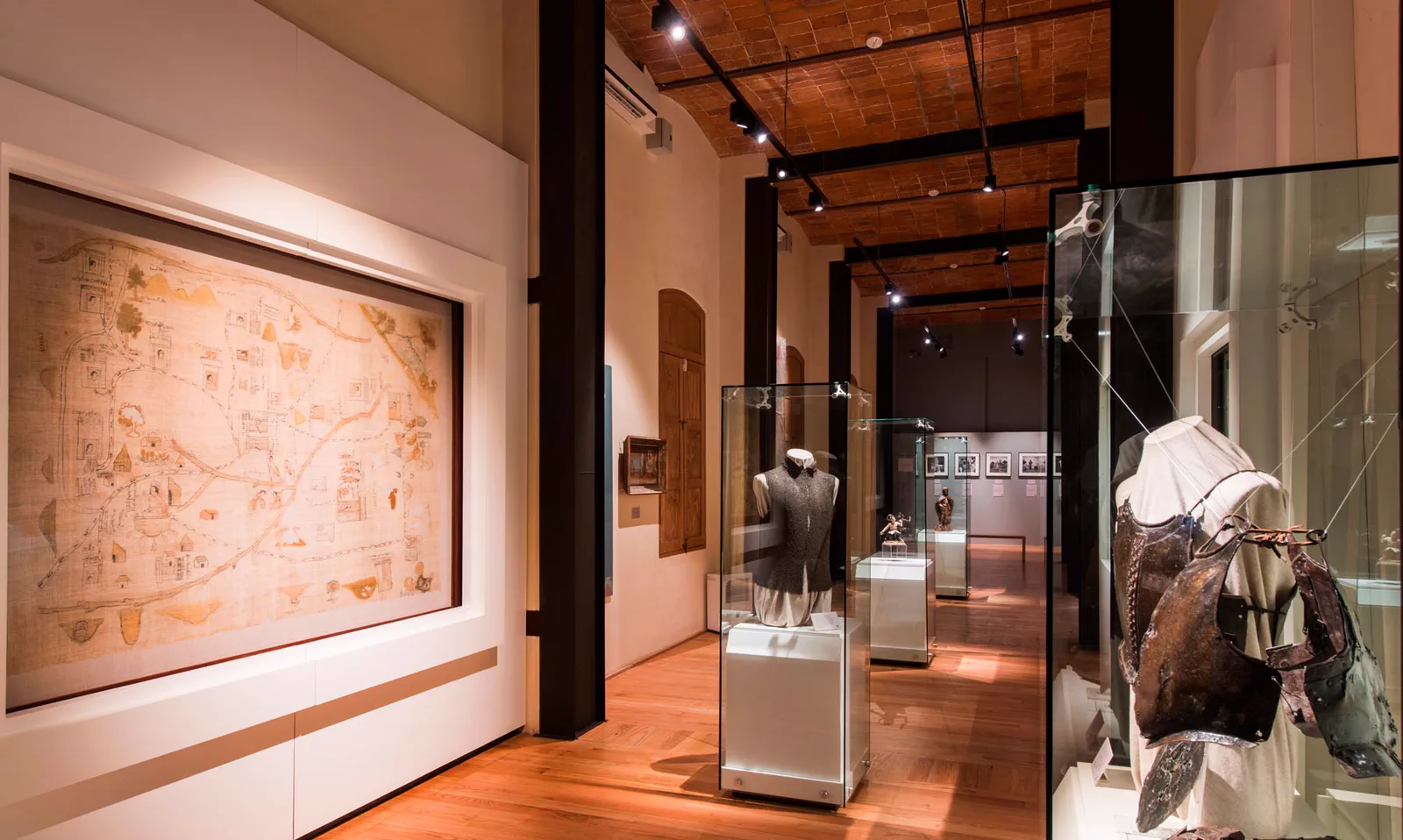
Permanent museum
Museum exhibition design project developed from 2016; BID18 finalist in integrated/cross-disciplinary design.
View project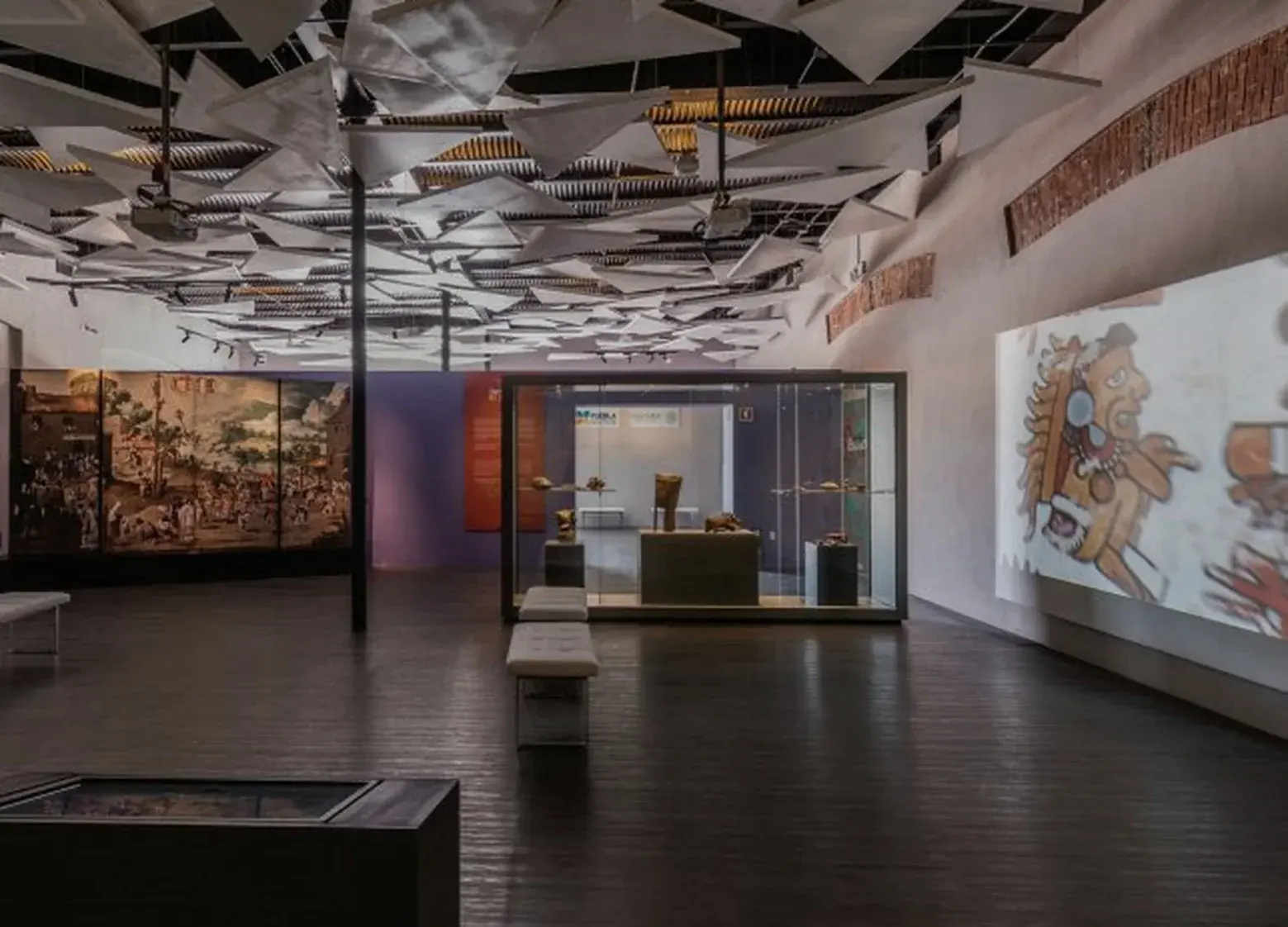
Permanent museum
Architectural, museum exhibition, graphic, and lighting design.
View project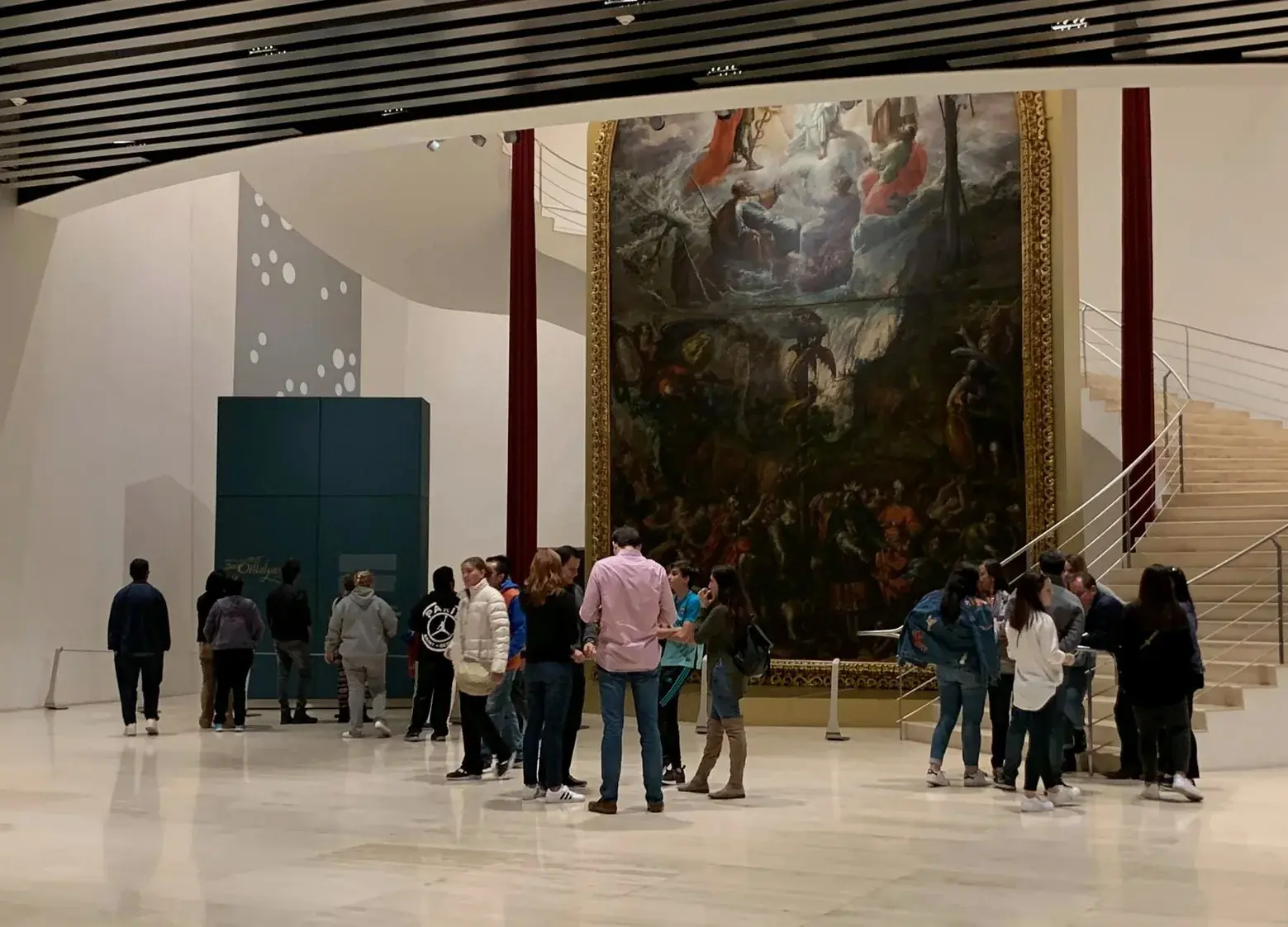
Exhibition
Gallery planning, graphic identity, lighting, circulation, and installation.
View projectThe Ibero-American Design Biennial BID18 listed the Museo Regional de Cholula as a finalist and Proyecto Museo as the studio, together with Ricardo Linares Martínez, Fernando Ondarza Villar, and Dora Luz Linares Martínez. The reference is public and verifiable in the Biennial’s official record.
Commissioning criterion
The decision should begin with the actual problem. Institutions should ask the team to explain what it will do, what it will not do, who is responsible for each discipline, what documents will be delivered, and how conservation, architecture, production, and operations will be coordinated. It is also advisable to review a comparable project and distinguish authorship, collaboration, venue, and client. That precision protects the institution and allows the work to be evaluated on evidence rather than promises.
Direction
Museographer and exhibition designer. Ricardo Linares founded Proyecto Museo in 2016 and leads interdisciplinary teams for museums, exhibitions, cultural heritage and cultural technology.
Trayectoria y perfilProject conversation
We can review the scope, venue, collection, schedule, and required disciplines before defining a proposal.
Let’s discuss the project